News
Stay ahead of the latest news, trends and insights

How your organisation can win at an election, regardless of the outcome
Victoria goes to the polls on 28 November, and New South Wales follows in March 2027. Victoria has had a Labor government since 2014, but recent polling suggests a tight contest in November. Regardless of who wins, an election resets the political landscape and gives parties a chance to reconsider which issues matter. For advocacy […]

One Nation Then vs. Now
Victoria goes to the polls on the 28th November, and One Nation has surged into the low-to-mid 20s in some state polls. For a party that has historically struggled to convert support into seats in Victoria, this represents a significant shift. The last time the party surged like this was in the late 1990s, when […]

From campaign to government action: What can we learn from Fix Our Feeds?
There is no shortage of organisations trying to get an issue onto the government’s agenda. But getting attention is different from creating the conditions for the government to act. Effective advocacy combines a clear problem, a practical policy ask, public momentum and support across government and the community. Why was the Fix Our Feeds […]

Who should speak in a crisis?
Organisations spend time and effort developing policies and protocols to prevent and respond to crises and risks, but there is a key tool that often doesn’t receive enough attention: who is the right choice to speak on behalf of the organisation. While it’s easy to assume that we should follow the organisation’s hierarchy and choose […]

How to make the most of a 30-minute meeting with Government?
A 30-minute meeting is one of the most valuable opportunities your organisation can secure. Whether you’re speaking with an MP, a ministerial advisor, or a senior departmental official, that meeting sits within a never-ending schedule of engagements. Preparation, meeting discipline, and follow-through determine whether your 30 minutes can lead to something more. Short meetings can […]
After the election: How to engage with a new state government
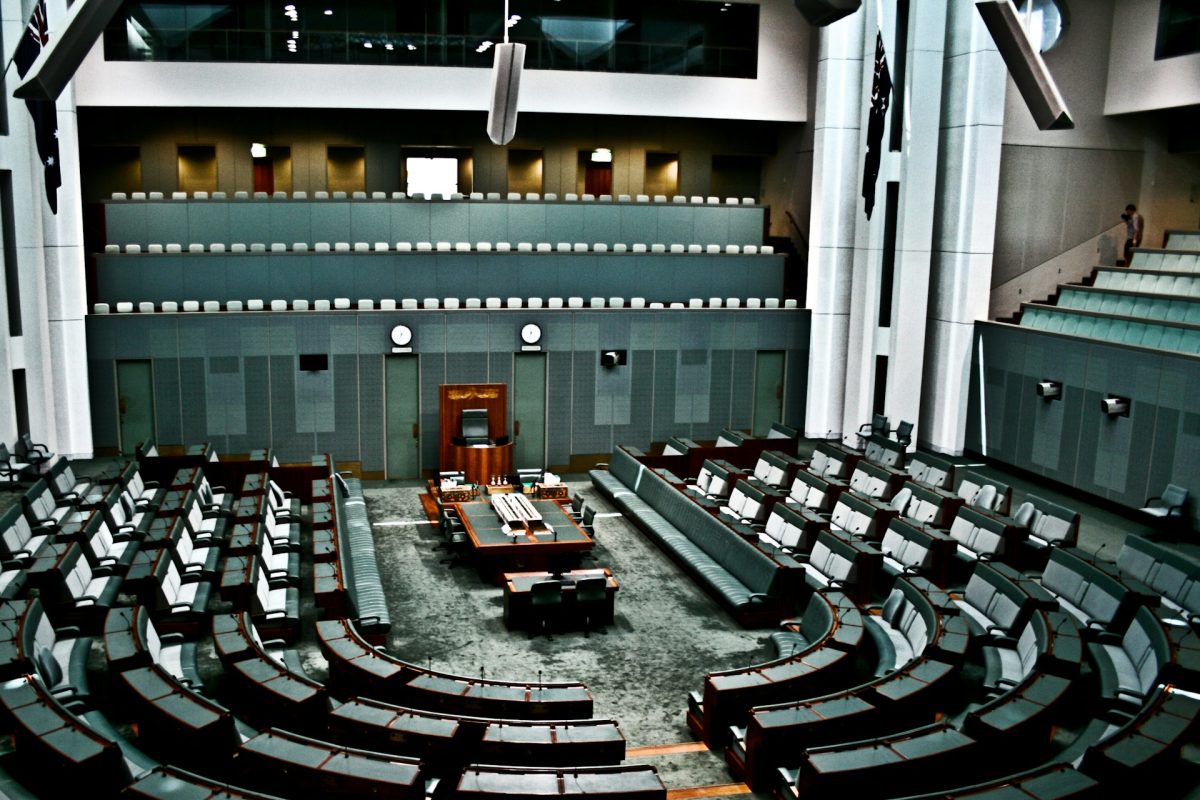
With State Elections happening almost every year, political landscapes are constantly changing. Understanding how your organisation can prepare and react to these changes is a crucial part of maintaining connections, building relationships and ensuring you are well positioned regardless of the outcome. Balancing new and old relationships Regardless of the result, a balanced approach is […]

Mainstream vs. niche media: Why the right audience matters more than the biggest audience
It’s easy to assume that landing a story in a major national publication is the ultimate measure of communications success. However, reach alone doesn’t guarantee impact; a story can generate huge visibility and still fail to influence the people who actually matter to an organisation. Part of the challenge of media outreach is finding the […]

Launch of APAC Advocacy and Public Affairs Outlook Survey
We’d love to hear from you! We’re proud to share that Fifty Acres, in partnership with YouGov, has launched the APAC Advocacy and Public Affairs Outlook Survey, with the first edition focused on Australia. This new quarterly survey aims to provide a regular snapshot of confidence, priorities and emerging challenges across the advocacy and public […]

How to turn one piece of content into dozens of audience touchpoints
Organisations invest significant time and resources into creating content. Whether it’s a webinar, conference presentation, podcast, panel discussion or thought leadership interview, these activities are often designed to educate audiences, showcase expertise and build credibility. Yet many of these valuable assets have a surprisingly short lifespan. Once the event is over or the webinar […]

The scoop on political conferences: Why they matter for government engagement
Political party conferences rarely make the priority list for organisations planning their government engagement. Yet these events can provide valuable insight into where policy is heading, which issues are gaining momentum and where there may be opportunities to build support before decisions reach Parliament. The Labor party has had a lot of conferences going […]

Reputation risk is moving faster than most organisations can respond
For a long time, reputation management followed a fairly predictable rhythm. An issue would emerge, the organisation would gather the facts, consult internally, prepare a response and communicate with the people who needed to hear it. There was usually enough time to understand what was happening before deciding what to say. However, that rhythm no […]

Internal communication: Why do we need an internal newsletter?
Internal communication plays a critical role in building engaged, informed and connected workplaces. While organisations often focus significant resources on external communications, internal communication is equally important in shaping culture, strengthening alignment and supporting employee engagement. The goal of an internal newsletter An internal newsletter is a communication tool designed to keep employees informed, engaged […]