The untapped power of backbenchers: why they quietly shape government decisions

By: Aleisha Jeremy
When organisations think about government engagement, the instinct is almost universal: aim high. Ministers. Shadow Ministers. Committee Chairs. The people with titles that sound decisive.
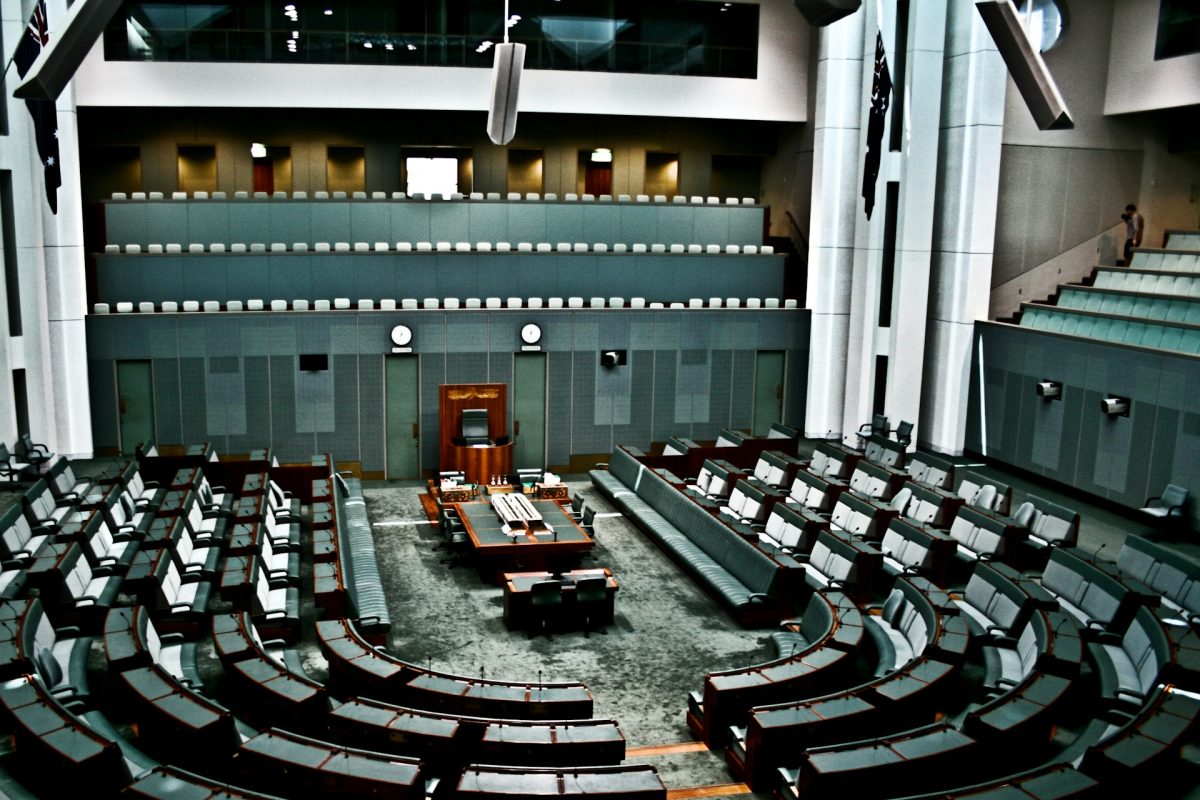
However, much of the real influence in government doesn’t sit at the Cabinet table. It sits one row back.
Often underestimated and frequently overlooked, backbenchers play a far more important role in shaping government outcomes than most engagement strategies account for. They may not make final decisions, but they strongly influence what reaches decision-makers and how it arrives.
Understanding this dynamic, and engaging accordingly, is one of the most underused levers in modern government relations.
Where backbench power really sits
Backbench MPs and Senators operate at the intersection of electorate reality and party discipline. They absorb local concerns, test community sentiment, and translate lived experience into internal conversations that rarely make headlines.
Ministers rely on them more than is often acknowledged – to sense whether issues are landing politically, to flag emerging risks, and to validate whether ideas are viable before they become public.
In party rooms, caucus meetings, and informal discussions, backbenchers act as early warning systems and sometimes as accelerants. An issue raised consistently by a trusted colleague can move from “interesting” to “worth action” long before formal lobbying begins.
Influence happens before the announcement
By the time a Minister announces a policy decision, that decision has usually been tested, questioned, reshaped, and reframed internally.
Backbenchers shape this process by asking difficult questions, reinforcing or undermining confidence in proposals, and championing issues that might otherwise be deprioritised. Crucially, they do this well before public advocacy or formal submissions have much impact.
If an organisation only engages once an issue is visible publicly, it has often missed the moment when the policy was most flexible.
Champions, blockers, and quiet momentum
Many of the strongest policy advocates in Parliament begin as backbenchers with a personal or electorate connection to an issue. When they feel ownership, they raise concerns directly with Ministers, push internally for attention or funding, and help build momentum over time.
The opposite is also true. Backbenchers who feel sidelined or pressured can quietly stall progress long before a proposal reaches Cabinet.
Backbench engagement isn’t just about building support, it’s about avoiding unseen resistance.
Why backbenchers are so often overlooked
Despite their influence, backbenchers are frequently deprioritised. Common reasons include assumptions about limited power, constrained resources, and a focus on short-term wins over long-term positioning.
This narrow approach is increasingly risky. Ministerial offices are underresourced, staff turnover is high, and decisions are shaped collaboratively. Political risk management now matters as much as policy logic.
The value of early, low-pressure engagement
The most effective engagement with backbenchers happens early, before funding asks, media campaigns, or deadlines emerge.
Early engagement allows for issue education without urgency, relationship-building without pressure, and credibility to develop over time. When a formal request does arise, it lands as a continuation of a conversation, not a cold introduction.
Ministers are often far more receptive to ideas that arrive through trusted colleagues than through formal channels alone.
What smart backbench engagement looks like
Effective engagement is electorate-aware, politically literate, consistent, respectful of role, and strategic. It’s not about volume – it’s about relevance.
Backbenchers may not sign off on decisions, but they influence what is taken seriously, what is politically viable, and what gains traction internally.
Final thought
If Ministers are the gatekeepers, backbenchers are pathway monitors that lead you to the gate.For organisations serious about long-term impact and credible government engagement, investing in backbench relationships isn’t optional, it’s strategic. In a political environment where attention is scarce and trust is hard-won, those quieter relationships often make all the difference.